
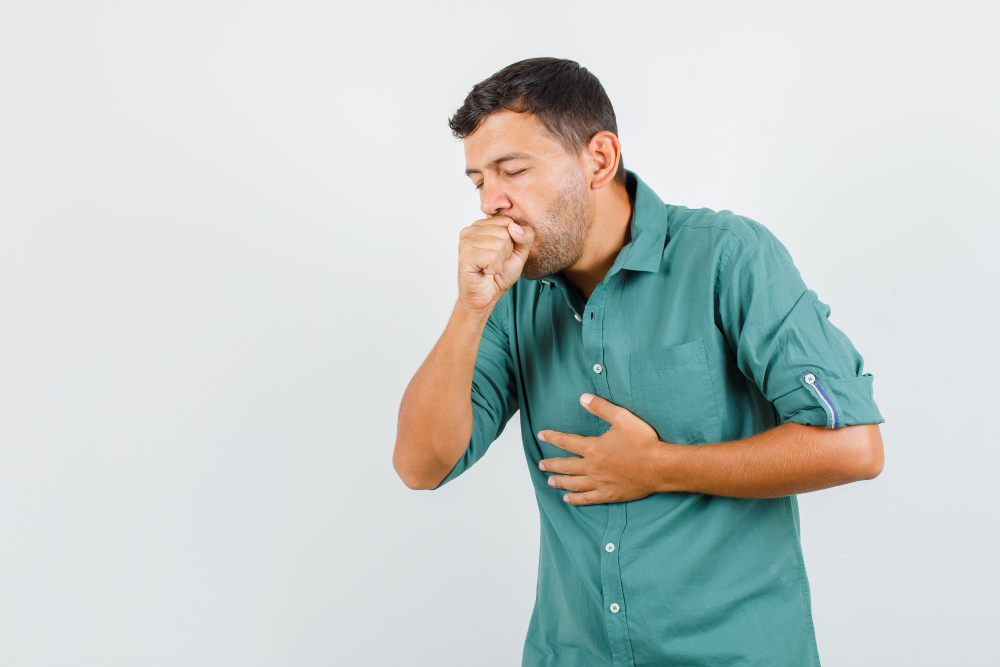
What is COPD?
COPD, or chronic obstructive pulmonary disease, is a long-term lung condition. It makes it hard to breathe. In the United States, millions of people live with COPD. This disease blocks airflow in the lungs. As a result, people may feel short of breath. COPD includes two main problems: chronic bronchitis and emphysema. Both damage the lungs over time. According to the CDC, COPD is a leading cause of illness and death worldwide. Early detection and treatment can help people manage their symptoms better.
Common Symptoms of COPD
Many people with COPD notice symptoms slowly. However, these signs often get worse over time. It is important to recognize them early. Common COPD symptoms include:
Sometimes, symptoms may flare up suddenly. These flare-ups can be serious. Therefore, it is important to seek medical help if symptoms worsen quickly.
Causes and Risk Factors
Most cases of COPD are caused by long-term exposure to harmful substances. The main cause is cigarette smoking. However, other factors can also increase risk. These include:
Although smoking is the top cause, not all smokers get COPD. Some people who never smoked can also develop the disease. Therefore, it is important to know your risk factors.
How COPD is Diagnosed
Doctors use several steps to diagnose COPD. First, they ask about symptoms and medical history. Next, they perform a physical exam. To confirm COPD, doctors often use a breathing test called spirometry. This test measures how much air you can breathe out and how fast. Other tests may include:
Early COPD diagnosis helps people start treatment sooner. As a result, they can slow the disease and improve quality of life.
Treatment Options for COPD
Although there is no cure for COPD, many treatments can help manage symptoms. Treatment plans often include:
Sometimes, surgery may be needed for advanced COPD. However, most people improve with medicine and lifestyle changes. Always follow your doctor’s advice for the best results.
Lifestyle Tips for Living with COPD
Living with COPD can be challenging. However, simple lifestyle changes can make a big difference. Try these tips:
With the right support, many people with COPD lead full lives. Therefore, talk to your healthcare team about any concerns.
Prevention Strategies
Preventing COPD is possible in many cases. The best way is to avoid smoking. If you already smoke, quitting can lower your risk. Other prevention tips include:
Early action can help protect your lungs. For more information, visit trusted sources like the CDC or WHO.
In summary, COPD is a serious lung disease, but help is available. Consult a healthcare professional for personalized advice on COPD.