
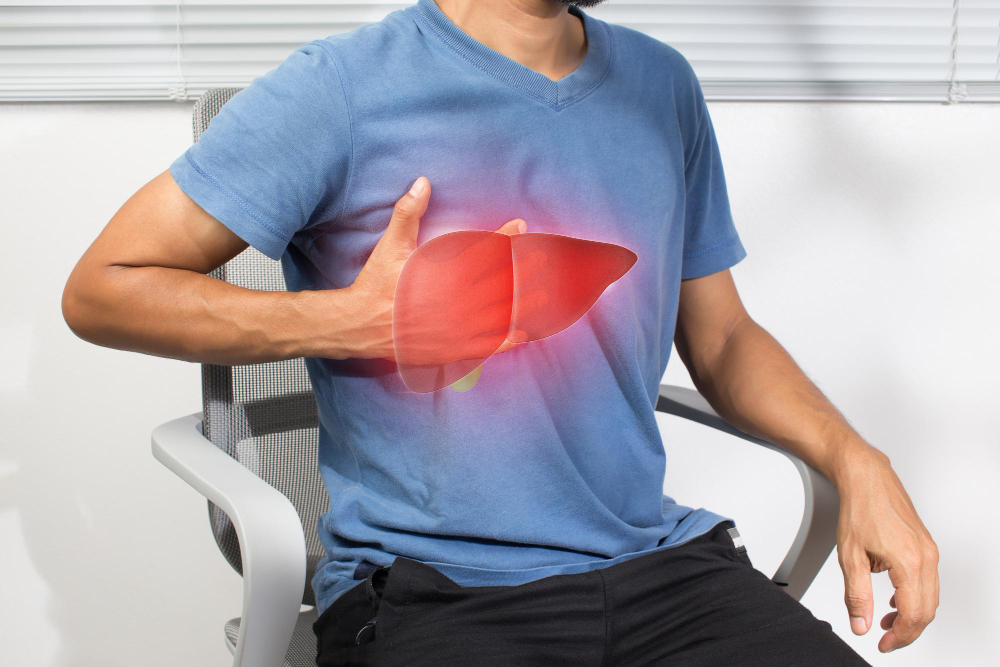
What is Liver Cirrhosis?
Liver cirrhosis is a serious condition where healthy liver tissue is replaced by scar tissue. As a result, the liver cannot work as well. Over time, this damage can get worse. Because the liver is vital for many body functions, cirrhosis can affect your overall health. According to the World Health Organization, liver cirrhosis is a leading cause of illness worldwide. Early detection and care can help slow its progress.
Common Symptoms
At first, liver cirrhosis may not cause any signs. However, as the disease gets worse, symptoms often appear. Knowing the signs of liver cirrhosis can help you seek help early. Common symptoms include:
Sometimes, these symptoms can be mild at first. But over time, they may become more severe.
Main Causes and Risk Factors
Many things can cause liver cirrhosis. Often, long-term damage leads to scarring. The main causes include:
Some people have a higher risk. For example, those who drink alcohol often or have viral hepatitis are more likely to develop cirrhosis. In addition, obesity and diabetes can increase your risk. Knowing these risk factors can help you take steps to protect your liver.
Diagnosis Methods
Doctors use several methods to diagnose liver cirrhosis. Early diagnosis can help manage the disease better. Common diagnosis methods include:
Sometimes, doctors may use more than one test to confirm the diagnosis. If you notice signs of liver cirrhosis, talk to your doctor as soon as possible.
Treatment Options
While liver cirrhosis cannot be fully cured, treatment can slow its progress. There are several liver cirrhosis treatment options. The right plan depends on the cause and how severe the disease is. Treatment may include:
With early care, many people can manage their symptoms and live longer.
Lifestyle and Prevention Tips
Although not all cases can be prevented, you can lower your risk. Here are some liver health tips and ways on how to prevent liver cirrhosis:
By following these tips, you can help protect your liver and reduce your risk of cirrhosis.
When to See a Doctor
If you notice any signs of liver cirrhosis, do not wait. For example, yellow skin, swelling, or confusion are warning signs. In addition, if you have risk factors, regular check-ups are important. Early treatment can make a big difference.
For personalized advice on liver cirrhosis, consult a healthcare specialist. Your doctor can help you find the best care for your needs.